Boost Career Success with LICQual Level 2 Food Safety Training
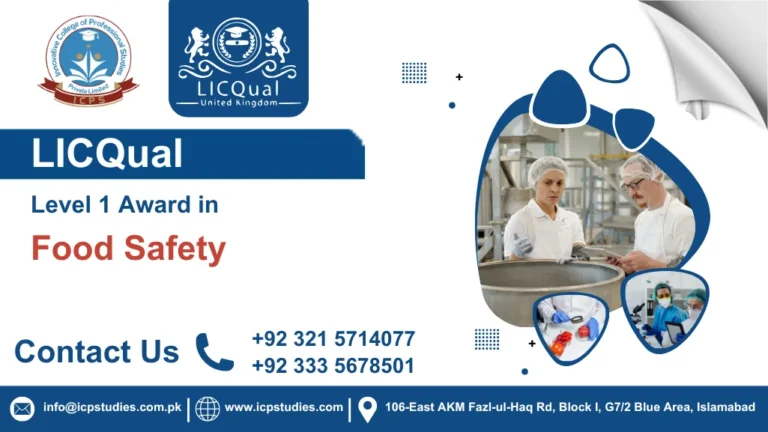
LICQual Level 2 Award in Food Safety is designed to provide learners with essential knowledge and practical understanding of food safety principles. This course focuses on the importance of maintaining high standards in food handling, preparation, and storage to protect public health. Participants will explore key topics such as hygiene practices, contamination risks, and safe working procedures, ensuring they are well-prepared to meet industry requirements. It is suitable for individuals working in catering, hospitality, or any environment where food is prepared and served.
The program emphasizes practical application, helping learners develop confidence in implementing food safety measures in real workplace scenarios. By completing this award, participants demonstrate their commitment to professional standards and enhance their employability in food-related industries. Alongside this certification, learners may also pursue other recognized certifications and diplomas in health and safety, food hygiene, or workplace compliance, further strengthening their professional profile.
LICQual Level 2 Award in Food Safety equips learners with valuable skills that are widely respected across the food industry. The course highlights the importance of legal responsibilities, personal hygiene, and effective cleaning practices, ensuring participants can contribute to safer food environments. With its clear focus on practical knowledge, this award stands as a strong foundation for individuals seeking to build credibility and competence in food safety. It complements other certifications and diplomas, making it a valuable addition to professional development in catering, hospitality, and related sectors.
All About LICQual Level 2 Award in Food Safety
Course Overview
The LICQual Level 2 Award in Food Safety is a structured program designed to provide essential knowledge of food hygiene and safety practices. Delivered over 30 hours, the course ensures learners gain practical insights into safe food handling, contamination prevention, and workplace hygiene standards required in catering and hospitality industries.
This qualification is divided into 10 comprehensive units, each focusing on critical aspects of food safety. Learners explore topics such as personal hygiene, cleaning procedures, food storage, and legal responsibilities. The unit-based approach ensures participants build a strong foundation and apply knowledge effectively in real workplace scenarios.
The 30-hour duration allows sufficient time for learners to engage with practical examples and case studies. By combining theory with applied learning, the course helps participants develop confidence in implementing food safety measures. This balance ensures learners are well-prepared to meet industry expectations and maintain high standards in food environments.
Entry Requirements
- Age Requirement: Learners should be at least 16 years old to enroll in this course, ensuring they have the maturity to understand and apply food safety principles effectively.
- Educational Background: A basic level of education is recommended. Holding a related certificate or diploma, such as a Diploma in Food Hygiene or Certificate in Workplace Health and Safety, can be beneficial but is not mandatory.
- Language Proficiency & Work Experience: Participants should have a good command of English to follow course materials and assessments. Prior work experience in catering, hospitality, or food handling roles is helpful, though not essential.
This course is designed to be accessible while maintaining professional standards. Meeting these entry requirements ensures learners can fully benefit from the LICQual Level 2 Award in Food Safety and apply their knowledge confidently in food-related industries.
Ideal Learner
The ideal learner for the LICQual Level 2 Award in Food Safety is someone motivated to build practical skills and demonstrate professional responsibility in food handling and hygiene. This course is designed for individuals who want to strengthen their knowledge and credibility in food safety practices.
- Individuals aged 16 or above with an interest in food safety.
- Learners working in catering, hospitality, or food production environments.
- Those seeking to improve workplace hygiene and compliance standards.
- Professionals aiming to enhance career opportunities in food-related industries.
- Learners with basic education and good English language proficiency.
- Individuals committed to maintaining high standards of food handling.
- Candidates who value certifications and diplomas in health, safety, or food hygiene.
This award is best suited for learners who are eager to apply food safety principles in real workplace scenarios. By enrolling, they gain practical knowledge, professional recognition, and the confidence to contribute to safer food environments
Study U nits
- Introduction to Food Safety and Hygiene
- Types of Foodborne Hazards and Contamination Prevention
- Safe Food Handling and Storage Practices
- Personal Hygiene and Its Role in Food Safety
- Cleaning and Sanitation in Food Environments
- Food Safety Legislation and Workplace Responsibilities
Learning Outcomes
1. Introduction to Food Safety and Hygiene
- Understand the key principles of food safety and hygiene.
- Recognize the importance of maintaining food safety to prevent foodborne illnesses.
- Explain the potential consequences of poor food safety practices in food environments.
- Identify the role of food handlers in maintaining hygiene standards and ensuring consumer safety.
2. Types of Foodborne Hazards and Contamination Prevention
- Identify and describe the different types of foodborne hazards: biological, chemical, and physical.
- Understand the sources and risks of contamination in food handling and preparation.
- Implement effective methods to prevent contamination and minimize foodborne illnesses.
- Recognize how contamination can occur and take steps to control it within food environments.
3. Safe Food Handling and Storage Practices
- Demonstrate safe food handling techniques throughout the preparation, cooking, and serving process.
- Understand the importance of temperature control in food safety and apply correct food storage methods.
- Prevent cross-contamination by following safe food segregation and handling practices.
- Apply appropriate food labeling and stock rotation practices to ensure food safety and minimize waste.
4. Personal Hygiene and Its Role in Food Safety
- Recognize the critical importance of personal hygiene in preventing foodborne contamination.
- Demonstrate proper handwashing techniques and the use of appropriate personal protective equipment (PPE).
- Follow hygiene protocols and maintain cleanliness while working with food, utensils, and equipment.
- Promote good personal hygiene practices to colleagues to reduce food safety risks in the workplace.
5. Cleaning and Sanitation in Food Environments
- Understand the importance of maintaining cleanliness and sanitation in food preparation areas.
- Apply correct cleaning procedures for surfaces, utensils, and food preparation equipment to ensure safety.
- Use cleaning agents and sanitizers safely and effectively to minimize contamination risks.
- Understand the importance of waste management in maintaining a hygienic food handling environment.
6. Food Safety Legislation and Workplace Responsibilities
- Understand the key food safety regulations, standards, and laws governing food handling practices.
- Identify the legal responsibilities of food handlers and employers in ensuring food safety compliance.
- Recognize the importance of food safety documentation, reporting, and record-keeping in the workplace.
- Apply relevant food safety legislation to ensure compliance and maintain a safe working environment.
FAQs About LICQual Level Level 2 Award in Food Safety